
Last updated November 25, 2026
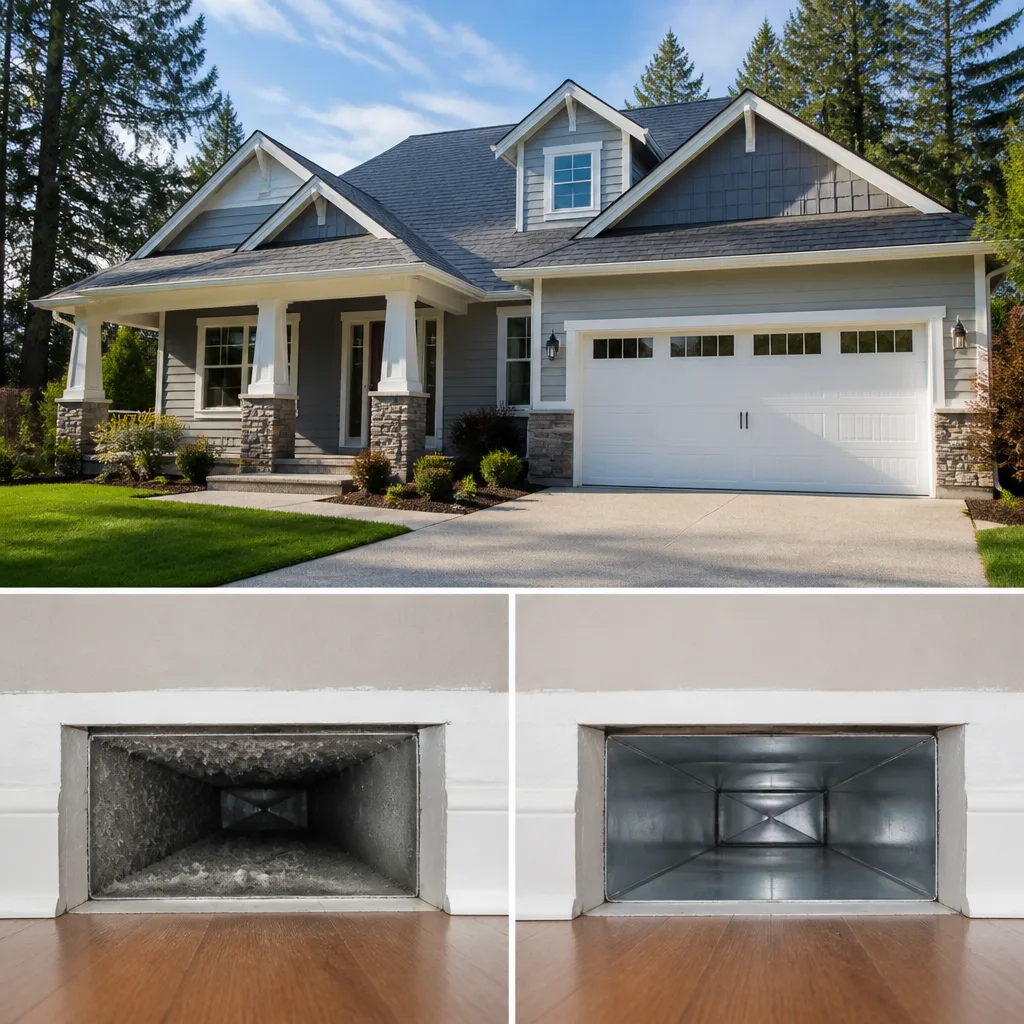 Whole-home duct cleaning
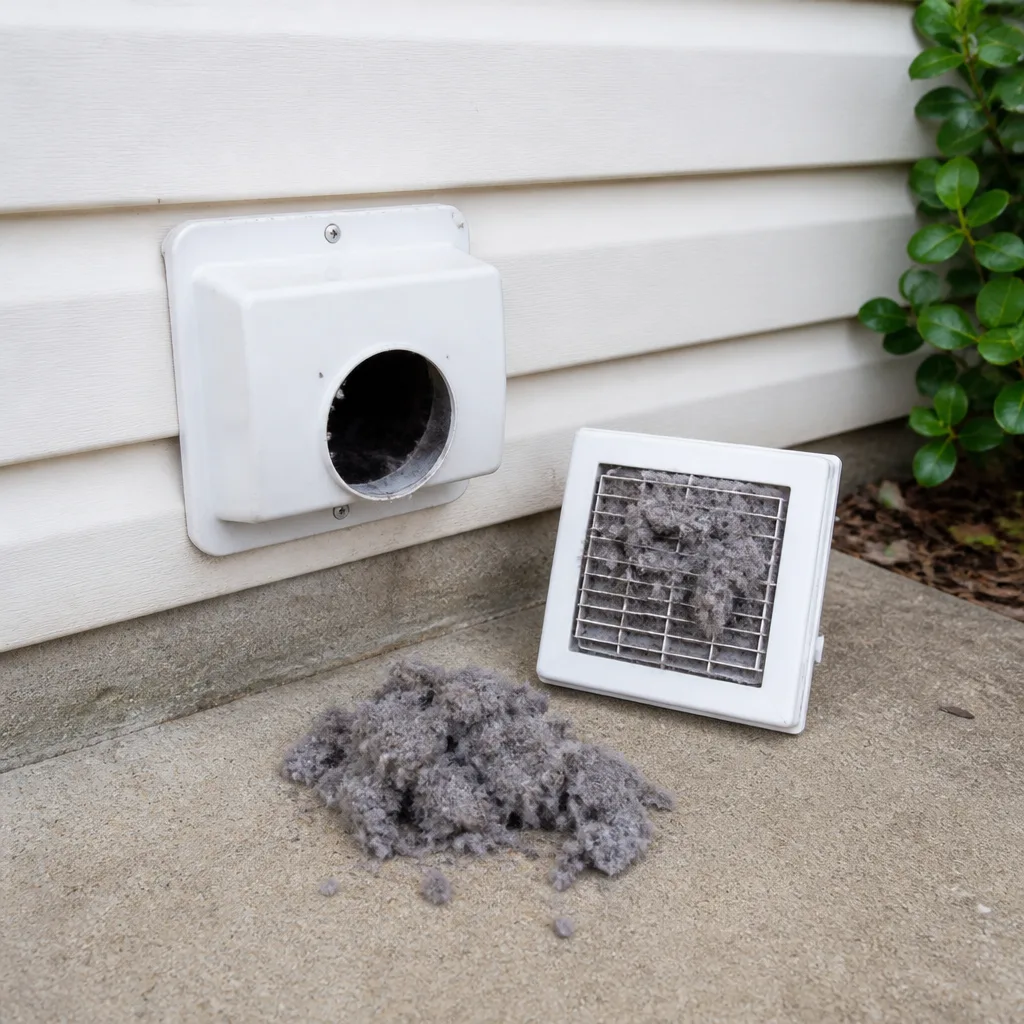 Dryer vent cleaning
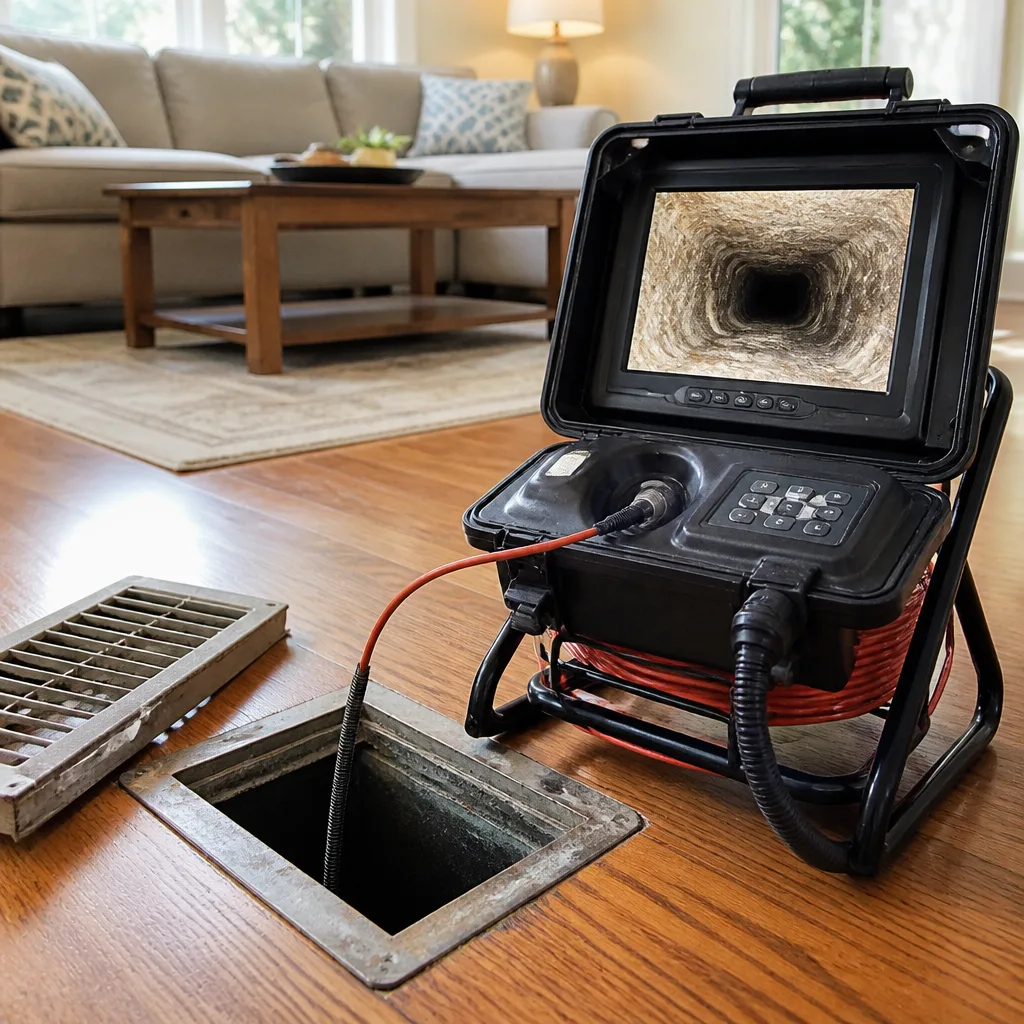 Camera inspection
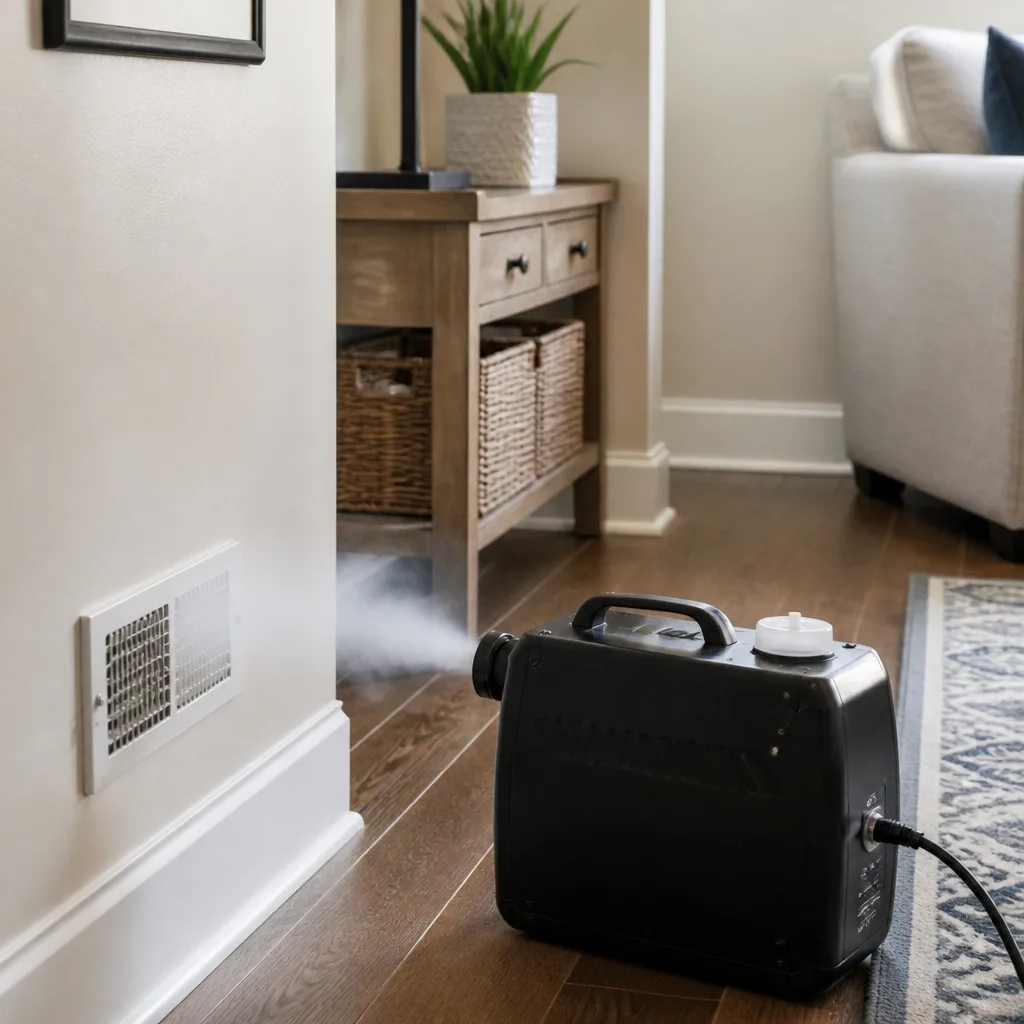 Sanitizing & deodorizing
Whole-system duct and dryer vent check with before-and-after photos - you see exactly what came out of your vents
That "$99 whole-house special" is a bait ad - the real number appears once they are in your hallway, or the "clean" is a shop-vac at the register. We photograph the inside of your ducts before and after instead.
How to Hire an Air Duct Cleaning Contractor in Fullerton: A Step-by-Step Guide
Air duct cleaning in California isn’t a licensed trade. There’s no state board that examines contractors, no journeyman card to verify, no license number to look up before you let someone into your attic and through your supply registers. That surprises a lot of Fullerton homeowners, who assume the same rules that govern electricians and plumbers apply here. They don’t. The hiring decision rests entirely on your ability to evaluate equipment, read a scope of work, and ask questions that separate a contractor who removes debris from one who stirs it up and calls that cleaning. This guide gives you the exact questions, the paper trail to demand, and the local red flags to watch for.
Quick Answer
Hiring an air duct cleaning contractor in Fullerton comes down to three things you can verify before anyone touches your system: the vacuum’s real airflow rating (a Nikro-class negative-air unit, not a shop vacuum), whether the agitation is a rotary brush or a push broom, and whether the written scope names the registers, boots, and coil compartment. Skip those checks and you’re comparing prices on a service nobody has actually defined. If you’d rather start with a walkthrough, call (844) 493-3461 for a free estimate.
Styles & brands we work with
- Whole-home duct cleaning
- Dryer vent cleaning
- Camera inspection
- Sanitizing & deodorizing
Table of Contents
- Why California Has No Duct Cleaning License (And What to Check Instead)
- The Three Equipment Questions to Ask Before Booking
- How to Read a Written Scope of Work
- What Real Proof of Insurance Looks Like in California
- How to Structure a Before and After Documentation Request
- Red Flags Specific to Fullerton’s Market
- What a Proper Whole-System Cleaning Actually Involves
- The Full Question List to Bring to the Estimate
Why California Has No Duct Cleaning License (And What to Check Instead)
You can’t look up your duct cleaner the way you look up a contractor on the Contractors State License Board website, because duct cleaning isn’t classified as a licensed trade in California. That means anyone with a vacuum and a website can take the job. The vacuum of standards exists in the private sector instead, through the National Air Duct Cleaners Association. NADCA publishes a cleaning standard that describes how source removal should be performed, and membership signals a company has at least agreed to work to that standard.
But here’s the part most people miss: NADCA membership costs a company roughly $400 a year and doesn’t require an on-site inspection of anyone’s work. It’s a starting point for vetting, not a credential that guarantees workmanship. We’ve seen plenty of companies list a membership and still show up without containment equipment. Treat the membership as one box to check, not the whole checklist.
So what do you verify instead?
- General liability insurance with a certificate that names the policyholder, the carrier, and the coverage dates. Call the carrier if you want; the certificate should have a phone number on it.
- Workers’ compensation coverage if the company has employees. This one matters more than most homeowners realize, and we’ll get into why below.
- A written scope of work you can read before the visit, not a verbal promise at the door.
- Equipment they can name, not “industrial-grade machines” as a vague descriptor.
- A business address and phone number you can reach before and after the job.
None of that tells you whether the technician has done this work before. That’s why the equipment and process questions in the next sections carry the weight. Ask them. A contractor who’s genuinely doing whole-system work will answer without hesitation.
The Three Equipment Questions to Ask Before Booking
An air duct cleaning company in Fullerton can describe its equipment in one sentence. The answer is either specific or it isn’t, and you can tell within fifteen seconds. Ask these three questions on the phone, before you book.
- What’s the CFM rating on your vacuum? CFM stands for cubic feet per minute, the volume of air the machine moves. A consumer shop vacuum might pull 100 to 200 CFM, and it’s not built to run connected to a duct system for hours. A commercial negative-air unit like the Nikro systems we run is rated to move far more volume and hold that pressure through a whole-house network. If the answer is “it’s a big industrial one,” ask for the number. Real contractors know it.
- Is the brush rotary or push? A rotary brush spins under its own power and scrubs the duct wall as it travels, which is how it breaks contaminants loose from the surface. A push brush is basically a long pole with bristles, and it removes only what it brushes past. Rotary-brush platforms like Rotobrush agitate the wall mechanically. Push agitation relies on the technician’s arm and the vacuum behind it. Both exist; only one is a system.
- Is a camera inspection included? A camera lets you see inside the trunk line and branch runs before and after. Without one, you’re trusting the technician’s word about what was inside. Ask whether the inspection is part of the service or an add-on you’ll be charged for later.
Why do these three questions matter so much? Because air duct cleaning is a source-removal job. The point is to capture and evacuate what’s clinging to the inside of the duct, not to loosen it and blow it through the house. A weak vacuum plus a push brush does the second thing. Rotobrush rotary agitation combined with a Nikro negative-air vacuum does the first. The equipment isn’t a selling point, it’s the entire mechanism of the job.
How to Read a Written Scope of Work
A written scope of work is your contract. It should describe what’s included line by line, so you can compare it against another quote and so you can confirm later that all of it happened. The lowest bid is usually the vaguest scope, because an operator who plans to upsell on-site has no reason to define the job up front.
Here’s what a solid scope names for a typical Fullerton home:
- Supply registers and return grilles: the grilles get removed, cleaned, and reinstalled.
- Register boots: the angled metal boxes behind each grille that connect the room opening to the branch duct.
- Branch duct runs feeding each room, individually agitated and vacuumed.
- The main trunk line, which is usually the largest contaminated surface in the system.
- The plenum, the box connecting the trunk to the air handler.
- The coil compartment and air handler cabinet, where dust and debris settle against the evaporator coil.
Now here’s what signals a low-bid operator cutting corners. If the scope says only “duct cleaning” with no mention of registers, boots, or coil compartment, you’re looking at a line item that doesn’t define a job. If it charges a flat rate and then prices each register individually on the day of service, the initial quote wasn’t a quote. If there’s no page describing what happens if they find debris that won’t come out with standard agitation, you should ask what the options are.
One more thing to look for: does the scope include sealing gaps and disconnected joints after cleaning? Duct repair and sealing is the part that keeps a cleaned system clean. Leaving cracked seams and loose boots behind means the same dust finds its way in again, and the conditioned air that should reach your rooms escapes into the attic instead. Ask directly whether repair and sealing is part of the visit or handled separately.
What Real Proof of Insurance Looks Like in California
General liability insurance protects your home if the contractor damages it. Workers’ compensation insurance protects the contractor’s employees if they’re injured on the job, and that second policy is the one most homeowners never think to ask about. Here’s why it matters.
If a technician without workers’ comp coverage falls off a ladder in your attic, the injury can follow you through your homeowner’s policy. Depending on how the work is structured, an uninsured worker injured at your home may have a claim against your property. General liability alone doesn’t cover that exposure, because the injury happened to the contractor’s employee, not to your house.
So what should you actually ask for?
- A certificate of insurance that lists the company name, the insurer, the policy number, and the effective and expiration dates. A photo of a policy from three years ago isn’t proof.
- The name on the certificate matches the name on the contract, not a different company or a personal policy.
- Workers’ compensation listed separately from general liability. If the company claims to have no employees and uses only subcontractors, ask whether those subcontractors carry their own coverage.
- The insurer’s phone number, so you can verify the policy if you want. A legitimate certificate has it printed on the page.
In California, workers’ comp is required for most employers with employees, so a contractor who can’t produce a certificate is telling you something. Ask for the document. Companies that run clean operations expect the question and have a PDF ready.
How to Structure a Before and After Documentation Request
The single best defense against a bait-and-switch is documentation. If you ask for before and after photos of your own system before work starts, and the company agrees in writing, then the job becomes accountable to a visible outcome instead of a technician’s summary at the door. Getting that in writing ahead of time is what makes the difference.
Structure the request like this:
- Ask who takes the photos and when. Photos should be captured after register grilles are removed but before cleaning begins, and again after each run is finished.
- Specify what gets photographed. At minimum, one interior shot and one exterior shot of the main trunk line, plus interior shots of each branch run.
- Include the coil compartment. This is where a lot of biological growth and dust buildup lives, and it’s the section most likely to go unphotographed.
- Request the photos be sent to you, not just shown on a tablet. You want a copy you can look at later, especially if a problem shows up in a few months.
- Ask for the containment setup to be documented too. If the contractor uses air scrubbing or containment equipment during service, that should show up in the photos.
What does “containment” mean in practice? Professional operations run negative air pressure in the work area, using equipment like Abatement Technologies air scrubbers, so dislodged debris gets pulled toward the capture point instead of floating back through the living room. When you ask about documentation, ask whether containment and scrubbing are part of the setup. It’s a small detail that says a lot about how the contractor thinks about your home.
If the contractor resists or says “we don’t really do that,” you’ve learned the answer. Call a company that shows you what it found and what it removed.
Red Flags Specific to Fullerton’s Market
Fullerton sits between the hills and the basin, and its older homes carry the ductwork patterns you’d expect from decades of residential construction. March through October brings dry, dusty conditions and the occasional inland heat wave. Winter and spring bring Santa Ana wind episodes that drop fine dust and smoke over the whole area. That cycle creates a predictable bump in air duct cleaning demand, and predictable demand attracts predictable opportunism.
Here’s what to watch for.
- Door-to-door solicitation after wildfire smoke events. Smoke moves through the region, and a crew shows up the following week offering a “smoke inspection” at the door. Legitimate contractors schedule service; they don’t walk neighborhoods and knock. If someone arrives at your door unannounced offering to check your ducts, ask for the company name and address and then look them up before saying anything else.
- The $49 whole-house special. No contractor can perform source-removal cleaning on a whole system for that price with professional equipment. What happens on-site is the entire business model: the technician arrives, points at a “serious mold problem” or “crushed duct,” and converts the low teaser into a much larger invoice. You haven’t hired a duct cleaner, you’ve hired an inspector with a quota.
- Per-register pricing. If the quote is per register, the final total depends on a count you haven’t verified. Professional pricing is per system, agreed in writing before work starts.
- No written scope. Related to the above. A verbal promise at the door isn’t a quote.
- Sanitizing presented as a required extra added on-site. Sanitizing is a real service and a useful one after mechanical cleaning, but the decision should be discussed at the estimate, not sprung on you at the end.
One more local reality: many Fullerton homes are in two-story construction built in mid-century tract neighborhoods and older streetcar-suburb pockets, where a single air handler feeding duct runs through two floors and a garage ceiling is common. Systems like that require more agitation time than a single-story ranch. A contractor who quotes the same flat number to every Fullerton home without seeing the layout is either guessing or planning to charge more once they’re inside.
What a Proper Whole-System Cleaning Actually Involves
A proper cleaning follows an arc: contain, agitate, evacuate, repair, verify. The first three remove the contamination. The fourth keeps it from coming back. The fifth confirms it worked.
- Set up containment. Negative air pressure is established in the work zone and air scrubbing equipment runs, capturing airborne particles before they reach your living space.
- Connect a negative-air vacuum to the system. The vacuum pulls air from the whole system toward a single capture point, so dislodged debris gets evacuated rather than pushed into rooms. This is the Nikro-style source-removal setup, and it’s what separates the job from a superficial pass.
- Agitate each surface. A rotary brush travels through the trunk line and each branch run, mechanically scrubbing the duct wall loosened by the vacuum. Register boots and the coil compartment get their own attention.
- Pull contamination out. The vacuum continues running while agitation happens, then holds as debris is captured and removed from the system.
- Seal and repair. Cracked seams, disconnected joints, and loose boots get sealed. This is the step most low-bid operators skip, because it requires materials and time.
- Sanitize where appropriate. Guardsman-grade sanitizing products are applied after mechanical cleaning, not instead of it. Sanitizing is a complement to cleaning, never a substitute.
- Verify with photos and camera inspection. Before and after documentation shows what was found and what was removed.
- Address filtration. Air quality products from Honeywell and Aprilaire extend the life of the cleaning by upgrading filtration and, where relevant, adding UV sanitizing at the coil.
That’s what a whole-system visit looks like. If someone describes a four-step version that starts and ends with “vacuum the ducts,” ask what’s missing.
The Full Question List to Bring to the Estimate
Bring these questions to the estimate. A contractor who’s confident in their process will answer every one without hesitation. Pull out the list and work through it during the walkthrough, when you can point at the ductwork and hear the answers in context. You can also read more about the process on our air duct cleaning page, and if the system in question is the one behind your dryer, our dryer vent cleaning page explains that job separately, because lint fires are their own risk category and lint removal follows a different method.
- What CFM rating is your vacuum, and what brand is it?
- Is agitation rotary or push?
- Does the scope include registers, boots, plenum, trunk, and coil compartment?
- Will you photograph before and after, and will you send me copies?
- Do you carry general liability and workers’ comp? (Ask for the certificate.)
- Do you seal and repair, or is that a separate job?
- What kind of containment or air scrubbing do you use during the job?
- Is sanitizing included or optional?
- Is the price flat per system, or variable based on what you find?
- Can I get the estimate in writing before the visit?
Air quality concerns and contamination found inside the air handler itself sometimes mean the cleaning scope overlaps into HVAC cleaning, which covers the equipment and cabinet rather than just the ductwork. Ask about that distinction at the estimate, because companies that bundle the two services in one visit charge differently than companies that sell them separately.
While you’re vetting contractors, it’s worth reading the background on how the work is actually performed before the walkthrough, so the answers make sense in context. You’ll find that overview on the Fullerton Air Duct Cleaning Pros home page.
Common Mistakes to Avoid
- Booking on price alone. The lowest quote is usually the one with the least-defined scope. If you can’t read what the price covers, you’re not comparing services, you’re comparing numbers.
- Skipping the workers’ comp question. General liability doesn’t cover an injured worker. In California, the exposure can follow you through your homeowner’s policy if the contractor isn’t insured for employees.
- Accepting a phone-only quote. Ductwork in a two-story Fullerton home and ductwork in a single-story ranch cost different amounts to clean. A contractor who never looks at the system is guessing.
- Assuming sanitizing replaces cleaning. Guardsman-grade sanitizing is applied after mechanical cleaning, not instead of it. Sanitizing over dust that hasn’t been removed doesn’t accomplish much.
- Ignoring the repair and sealing line. Cleaning without sealing leaves the gaps that let contaminants back in. It’s the difference between a clean system and a clean system that stays clean.
- Not asking for photos. Photos of your own ductwork are the difference between a summary you have to trust and a record you can inspect. Ask before booking, so it’s part of the deal.
- Saying yes to a door knock after a smoke event. The demand spike after wildfire smoke creates openings for unvetted operators. Call a contractor you’ve chosen instead.
See the difference
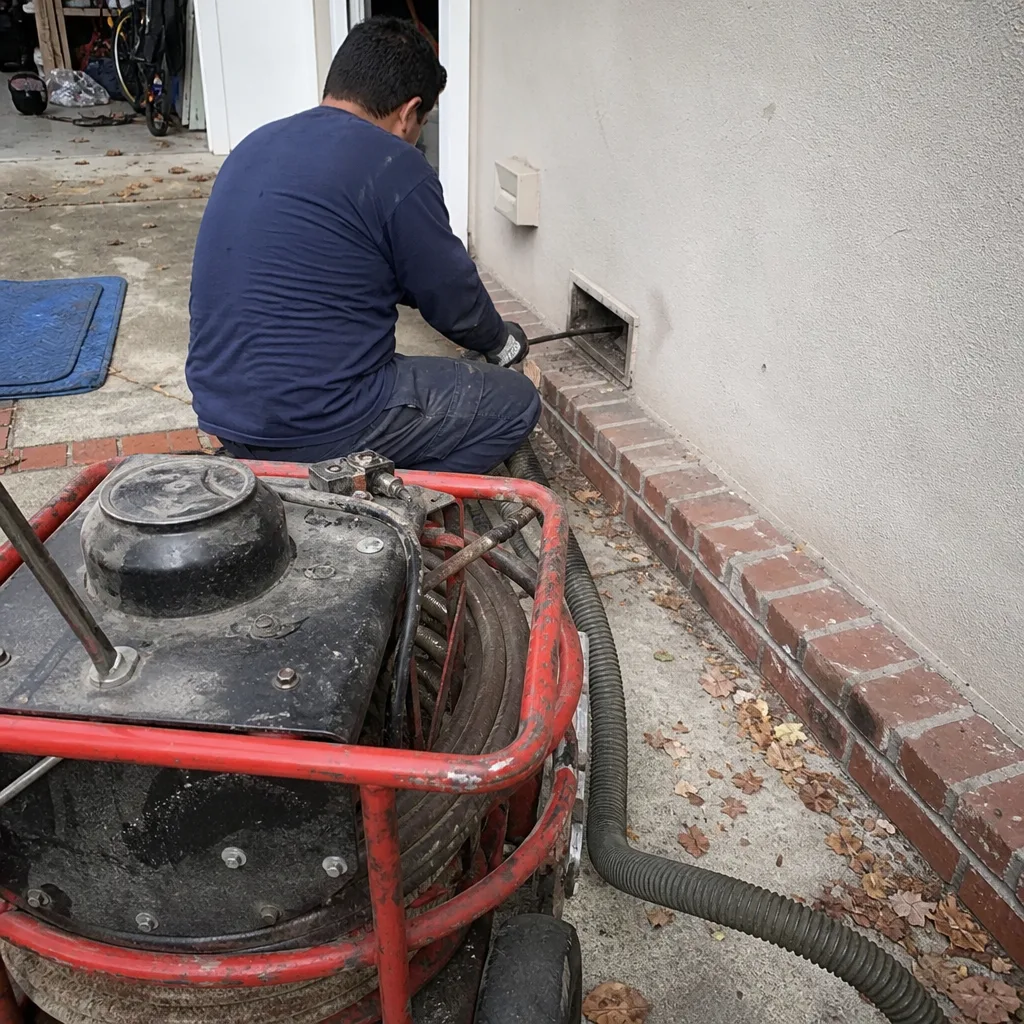 Before
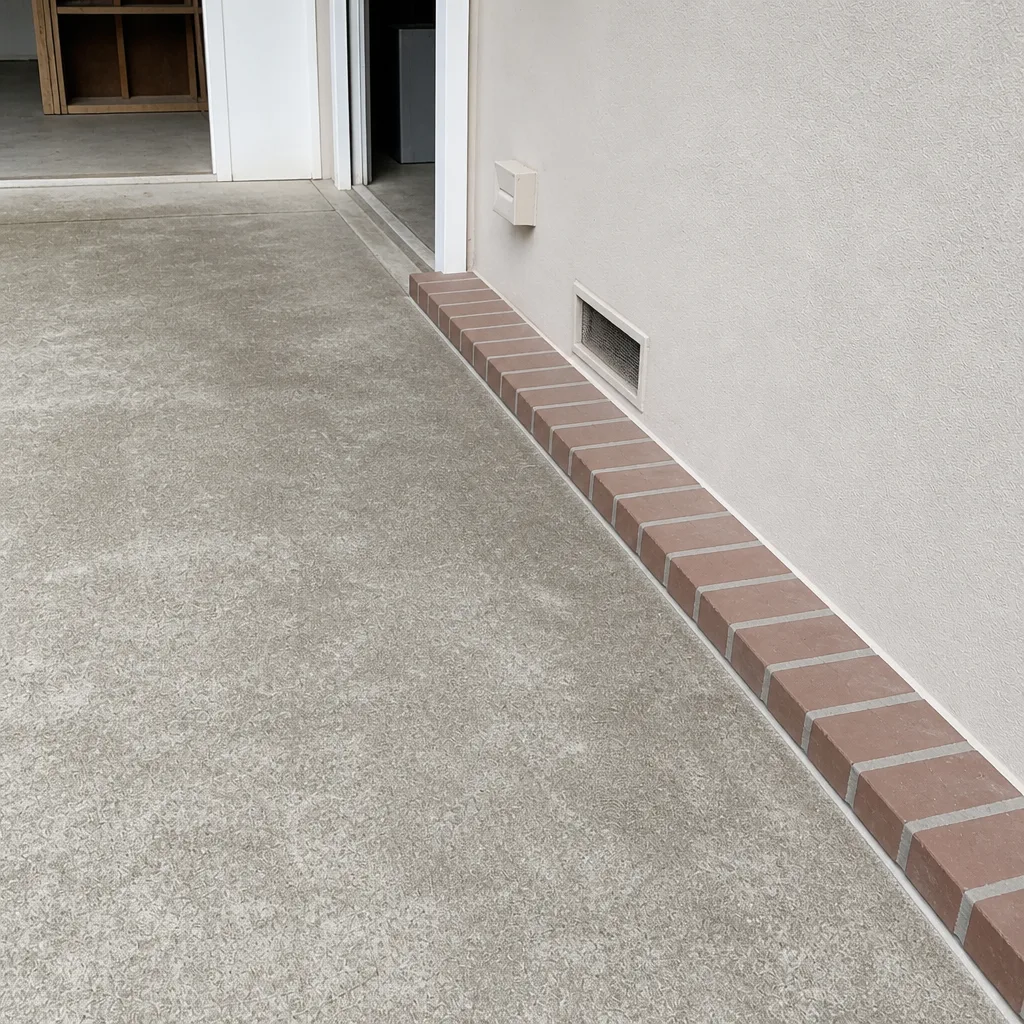 After
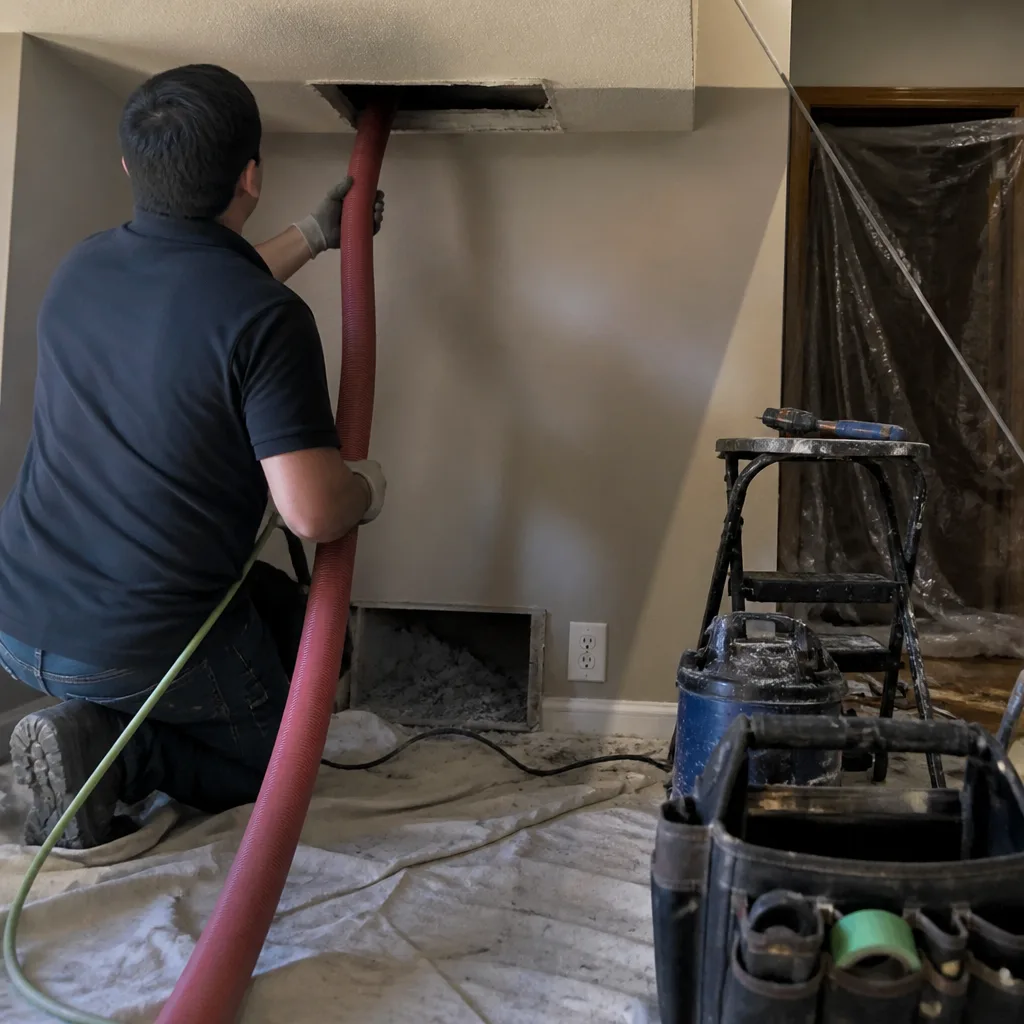 Before
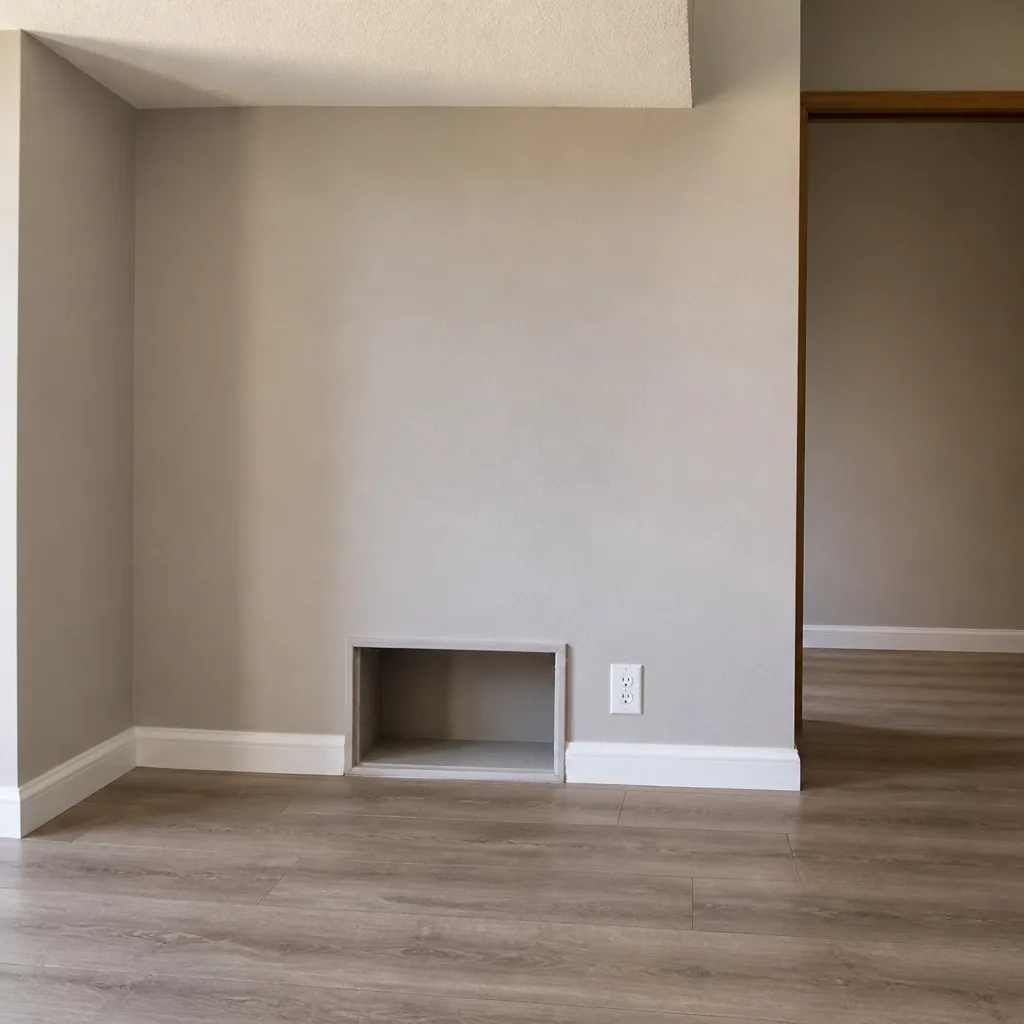 After
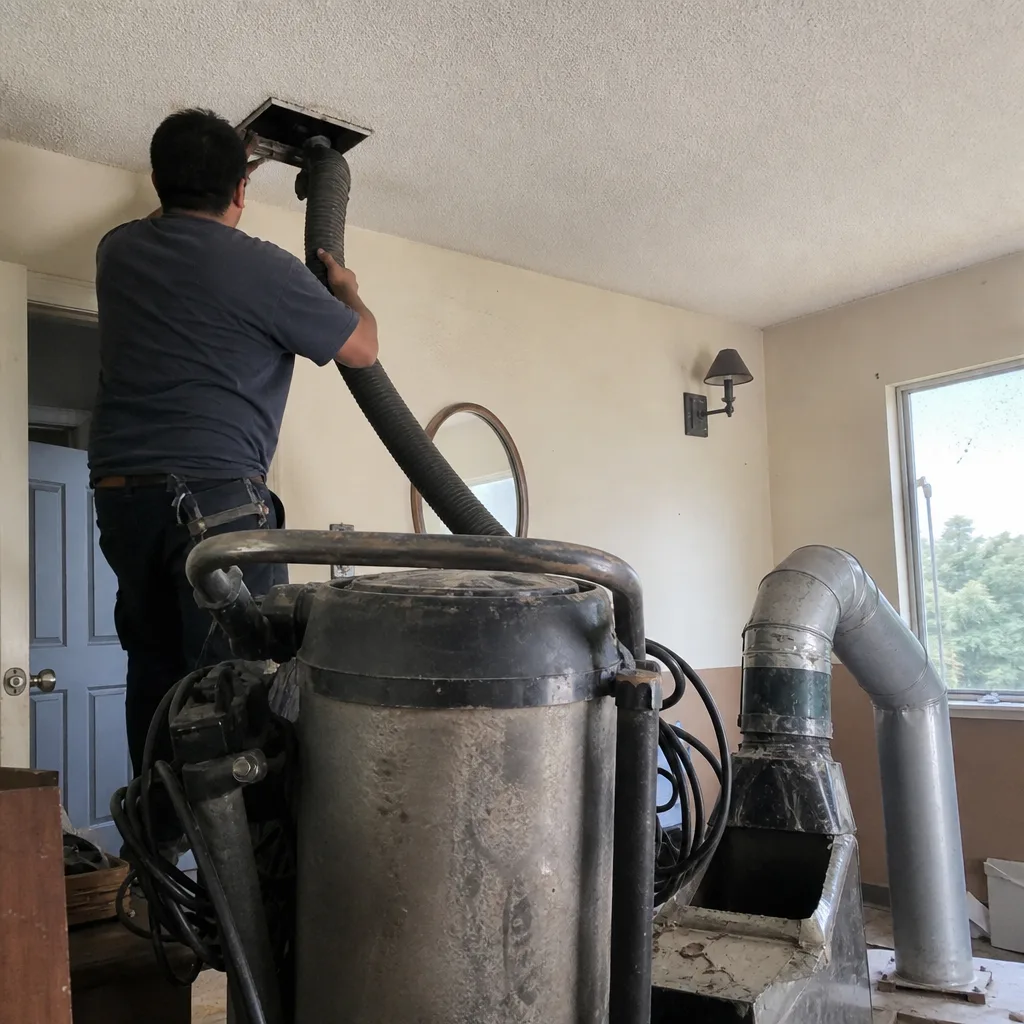 Before
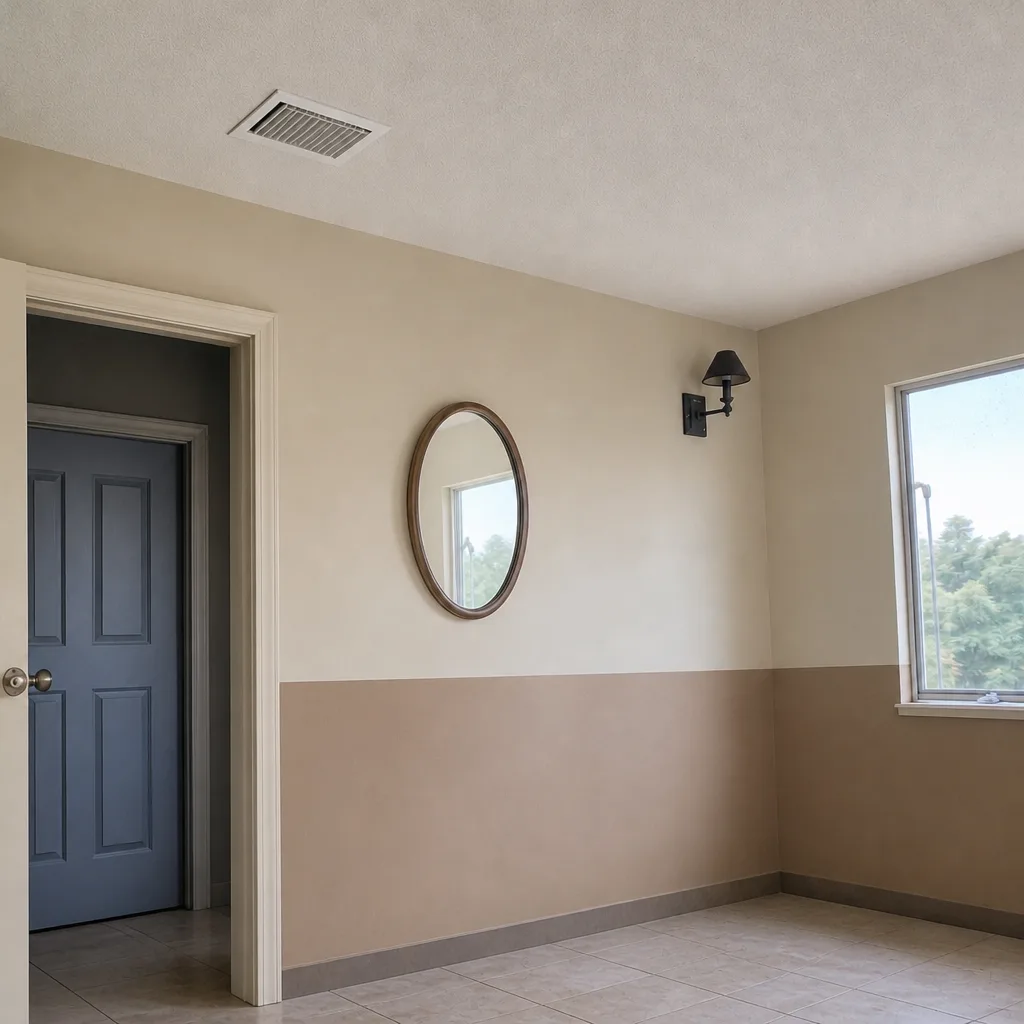 After
When to Call a Professional
Ductwork doesn’t announce itself. Sometimes the signal is visible in the registers or audible in the system. If you notice any of the following, it’s time to call a professional for a walkthrough and a written estimate:
- Musty or dusty odors that appear when the system starts a heating or cooling cycle.
- Visible dust streaks around supply registers or soot-colored staining at the grilles.
- Renovation debris or construction dust that entered the system through return grilles left uncovered during remodeling.
- A system that’s running but delivering noticeably less airflow than it used to.
- Visible mold growth on a register or duct interior, which is a job that needs both cleaning and a look at the moisture source.
- Recent pest activity in the attic or return duct.
- A home with a heavy allergy or asthma history and no known duct cleaning history since the system was installed.
Fullerton Air Duct Cleaning Pros offers free estimates in Fullerton – call (844) 493-3461. We answer 24/7, and fast dispatch runs 7am to 7pm, Sunday through Friday. Our technicians have up to 11 years of experience, and the local pro who performs the work is licensed and insured as their state requires.
Frequently Asked Questions
Prices depend on the system: the number of registers, the length of trunk runs, the accessibility of the air handler, and whether repair or sealing is included. That’s why a legitimate estimate is done at the property, not over the phone. Our pricing is one flat price per system, agreed in writing before any work starts, so the final invoice never changes based on what a technician finds mid-job. Call (844) 493-3461 for a free estimate.
The cheaper quote usually doesn’t cover the same scope, so you’re not comparing the same job. A quote without registers, boots, and coil compartment isn’t a whole-system clean; it’s a line item that hasn’t been defined. The $49 whole-house specials you’ll see advertised in the Fullerton area are followed by on-site upsells once the technician is in the house. Read the scope before you compare prices. Call (844) 493-3461 for a written estimate on comparable scope.
You ask for photos of your own ductwork, and you ask before the job starts so it’s in writing. Photos should be taken with register grilles removed but before cleaning begins, and again after each run is finished, including the coil compartment. If a contractor can’t document the job, the claim isn’t verifiable. Call (844) 493-3461 to book a visit where documentation is part of the service.
For most Fullerton homes, every three to five years is a reasonable cadence, but real triggers matter more than a calendar. A recent renovation, a pet-heavy household, recent smoke exposure from a wildfire season, or a system that’s never been cleaned all warrant a closer look regardless of the timeline. Homeowners with an allergy diagnosis usually do better on the shorter end of that range. Call (844) 493-3461 if you’re unsure whether your system is due.
No. Duct cleaning isn’t a licensed trade in California, so there’s no license number to verify through the state. This is why the equipment, scope, and insurance questions matter so much, and why NADCA membership is a starting point rather than a guarantee. Ask the CFM rating, the brush type, and whether a camera inspection is included, and get the answers in writing. Call (844) 493-3461 if you’d like to see how those questions map to an actual visit.
Filtering the air matters, but source removal inside the ductwork is the part that addresses the reservoir of contaminants the filter keeps pulling from. For a home with heavy household dust or an allergy diagnosis, the more effective sequence is cleaning, sealing any gaps, and upgrading filtration afterward. Honeywell and Aprilaire systems are the platforms we work with for that second step. Call (844) 493-3461 to discuss whether the full sequence fits your home.
The Bottom Line
Hiring a duct cleaner in Fullerton comes down to the three questions and the paper trail: CFM rating, rotary brush, camera inspection, written scope with registers and coil compartment named, certificate of insurance covering both general liability and workers’ comp, and a documented before-and-after. Get those in place and the hiring decision is genuinely easier. Skip them and you’re relying on a handshake. One flat price per system, agreed before work starts, is the only quote structure that protects you from the on-site upsell. And if the contractor can’t show you what they found and what they removed, you don’t have a record, you have a claim. Call (844) 493-3461 for a free estimate. We answer 24/7. Fast dispatch from 7am to 7pm, Sunday through Friday. We’re closed Saturday, and any call that comes in outside dispatch hours is booked into the next opening.
Written by the team at Fullerton Air Duct Cleaning Pros.