
Last updated November 25, 2026
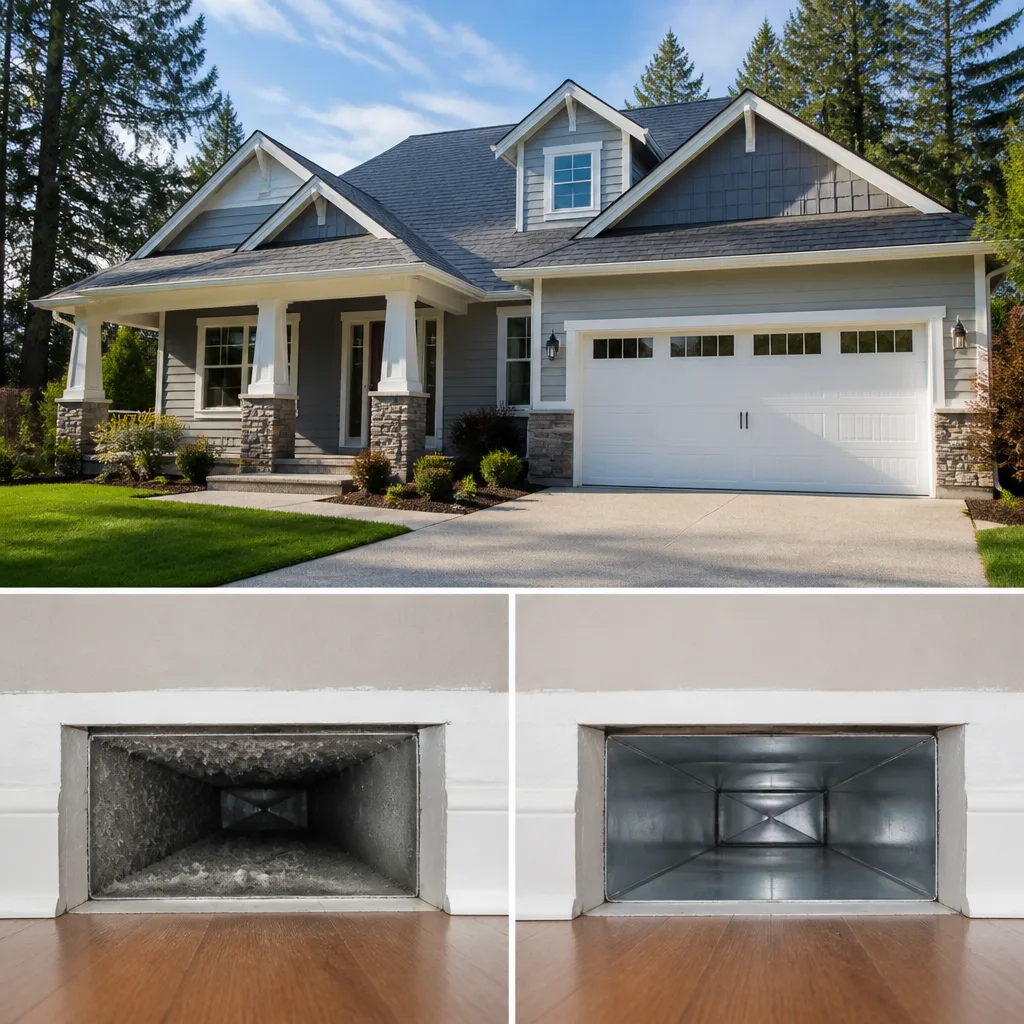 Whole-home duct cleaning
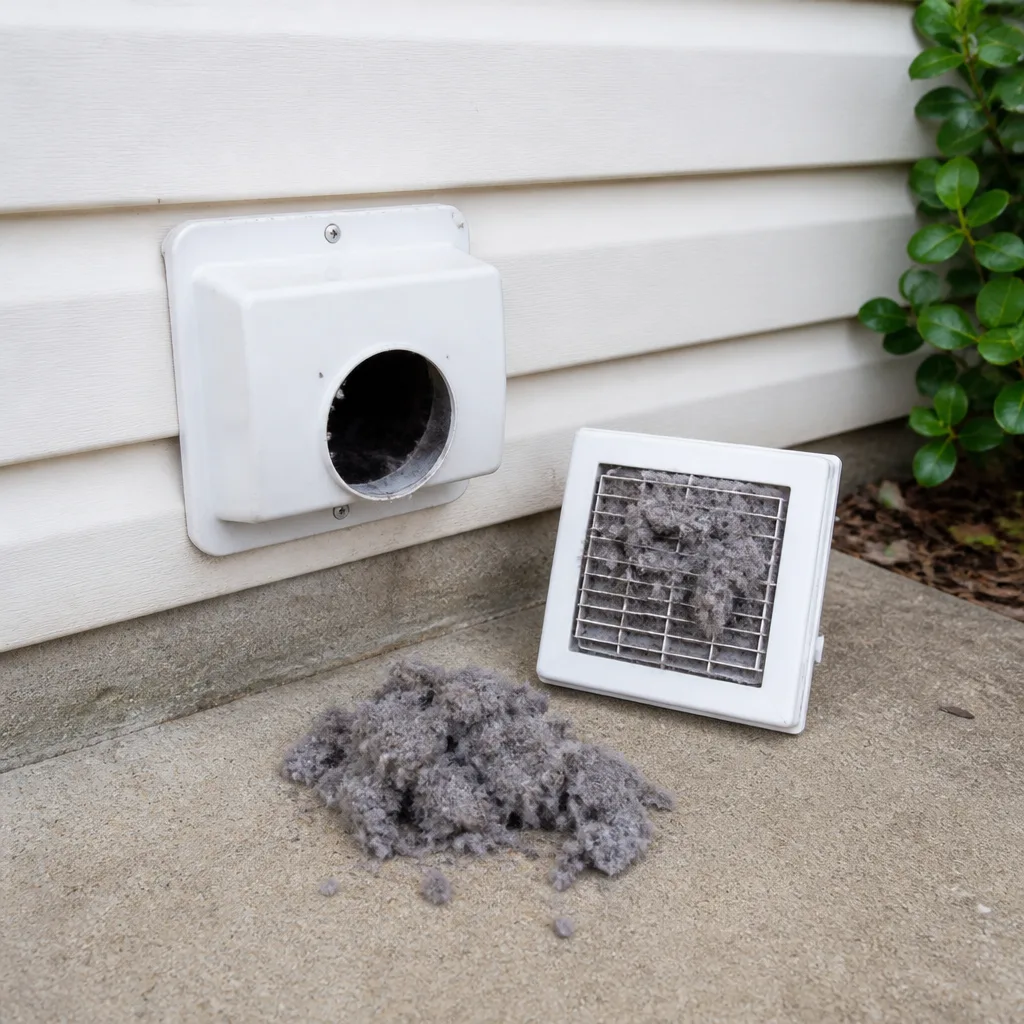 Dryer vent cleaning
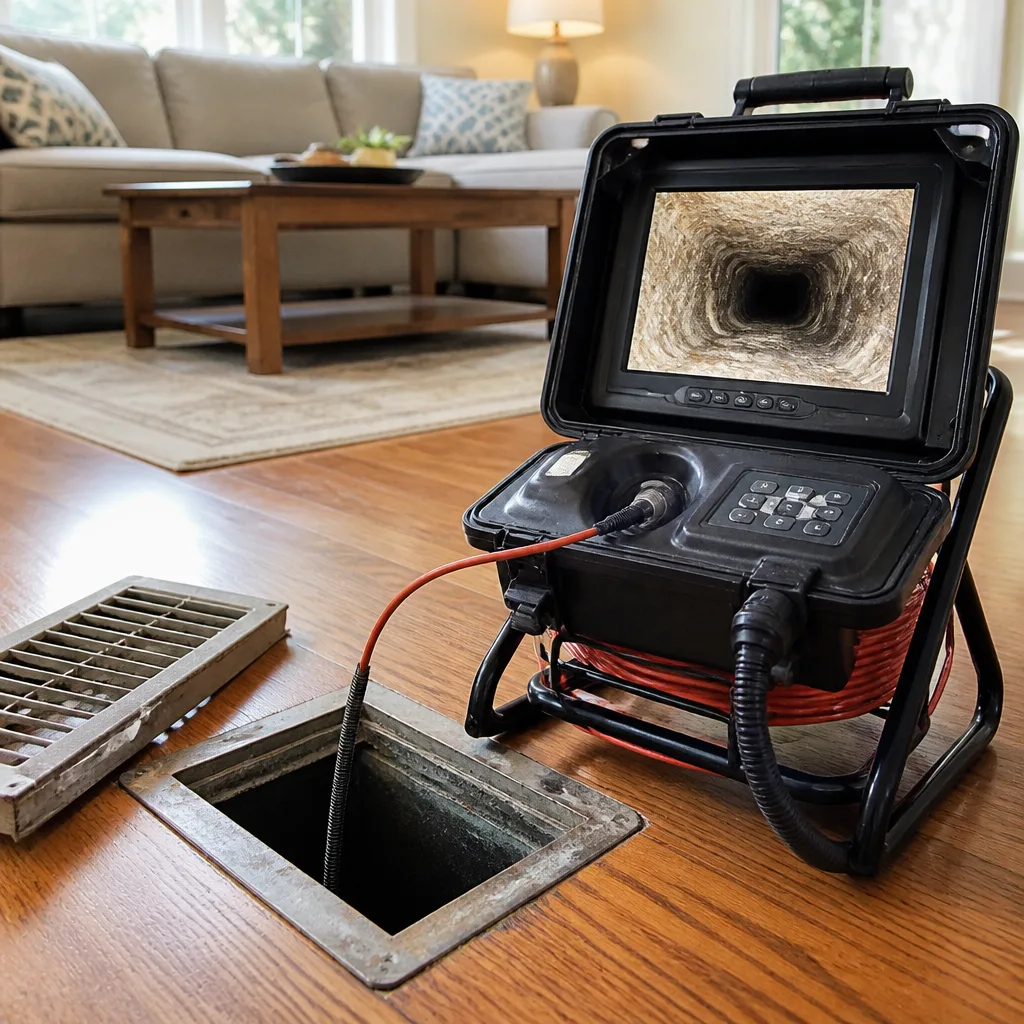 Camera inspection
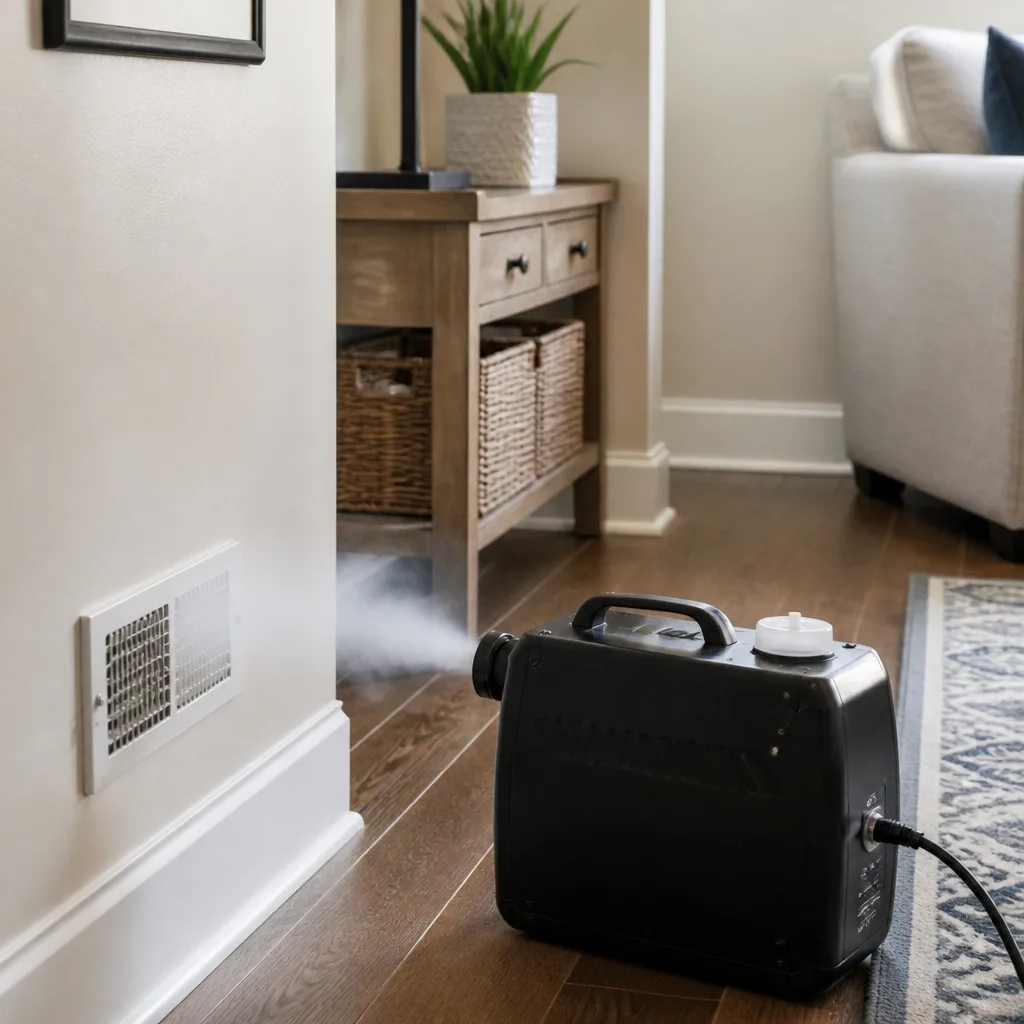 Sanitizing & deodorizing
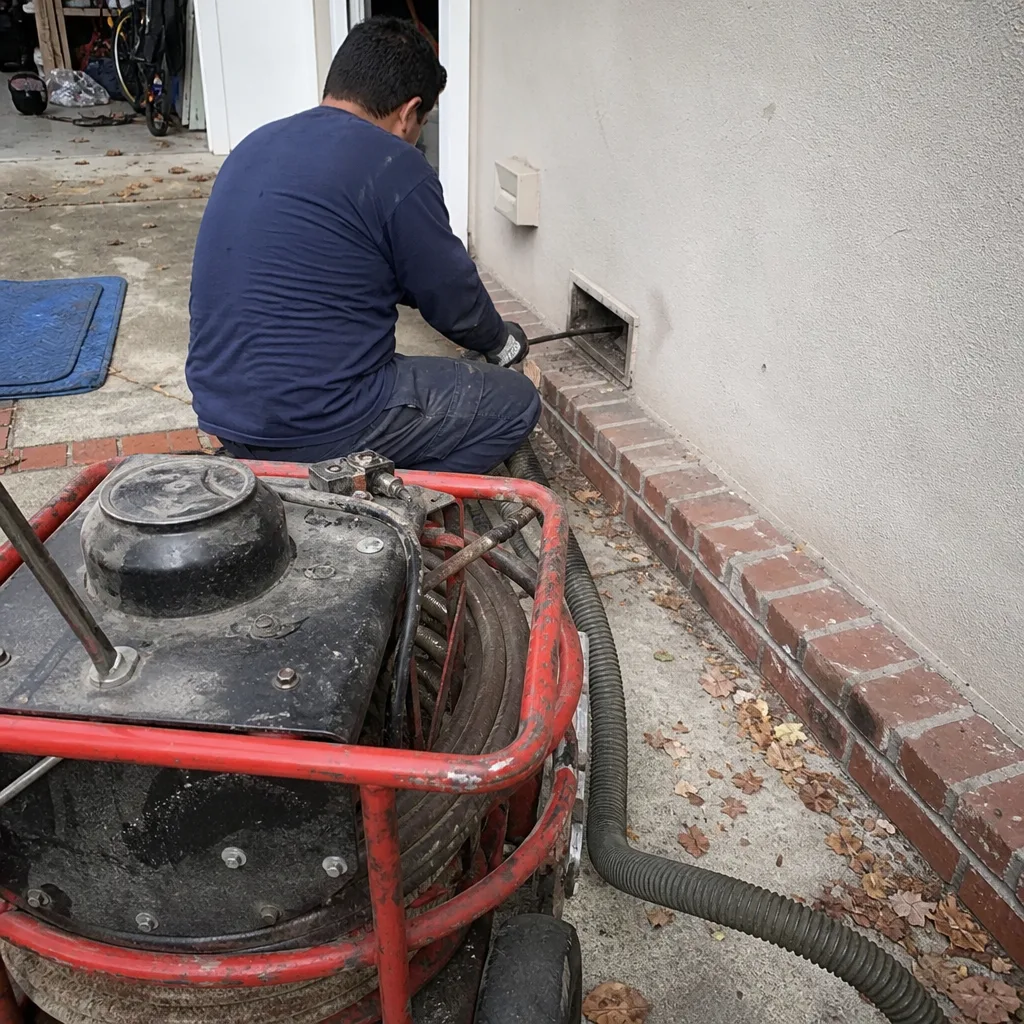
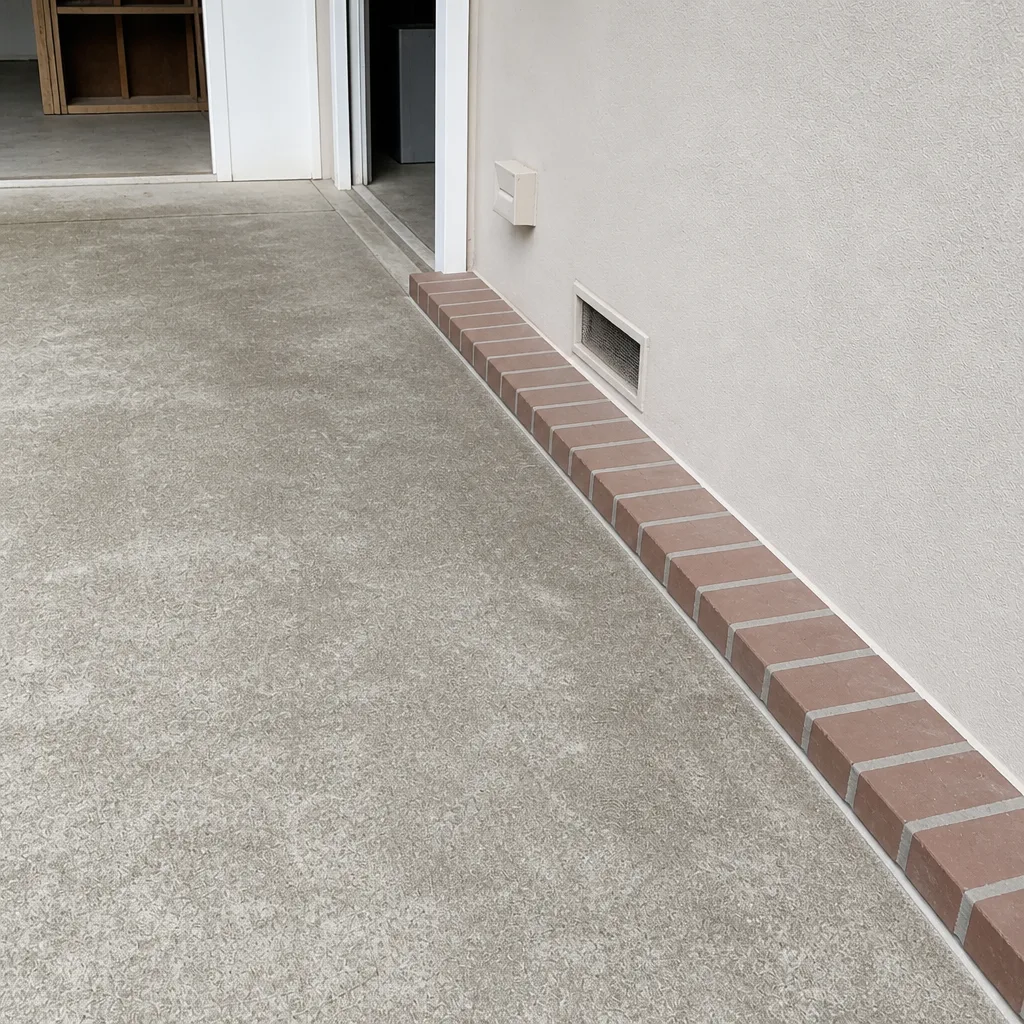
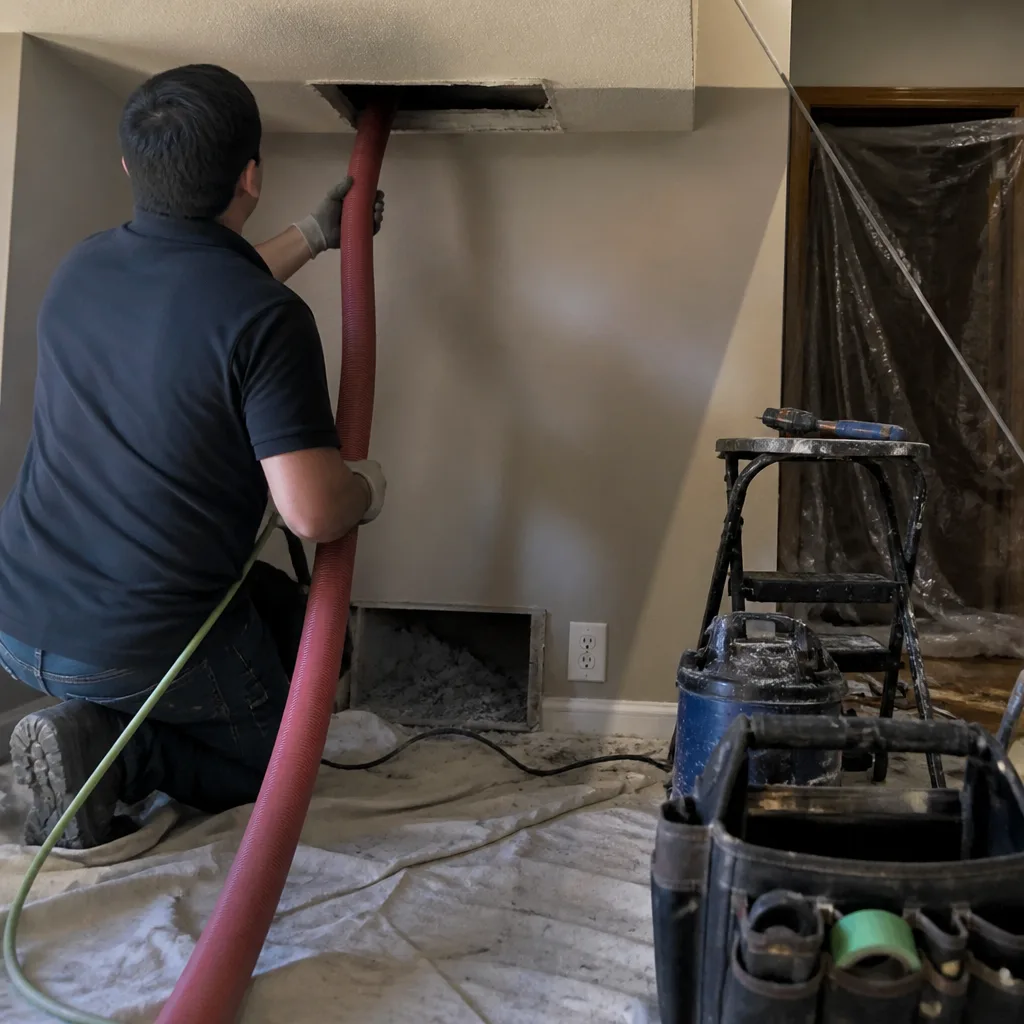
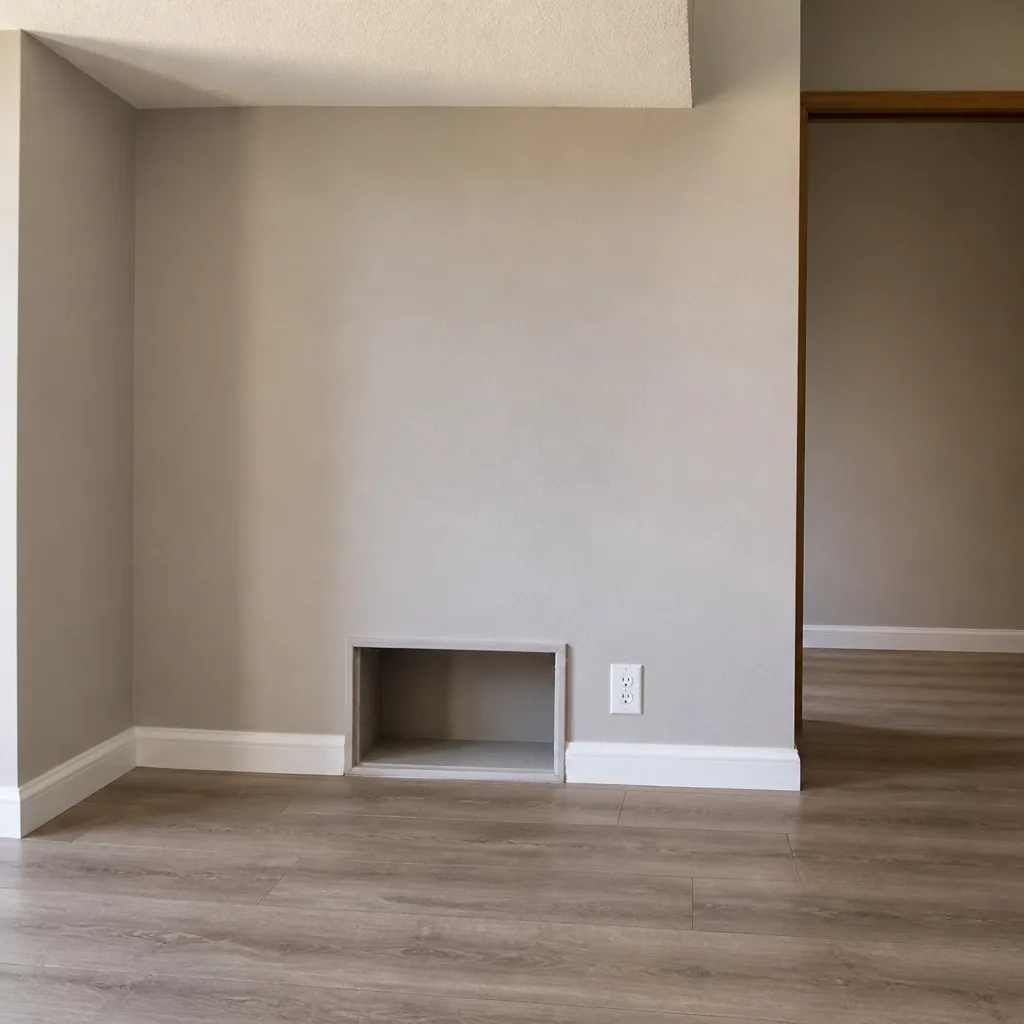
Whole-system duct and dryer vent check with before-and-after photos - you see exactly what came out of your vents
That "$99 whole-house special" is a bait ad - the real number appears once they are in your hallway, or the "clean" is a shop-vac at the register. We photograph the inside of your ducts before and after instead.
DIY vs Professional Air Duct Cleaning: The Fullerton Homeowner’s Decision Guide
Most homeowners assume air duct cleaning is a suction problem. Buy a stronger vacuum, get more gunk out. That assumption is where do-it-yourself attempts fall apart, and it’s not because people lack effort or patience. It’s physics. The contamination that matters in a home isn’t sitting in the floor register you can reach with a wand – it’s settled along the walls of your main trunk lines, in the branches feeding each room, and in the plenum above the air handler. Pulling that material loose and capturing it takes sustained negative pressure that consumer equipment can’t generate, no matter how much it sounds like it’s working when you hold it to the grille. In Fullerton, where forced-air systems run through long cooling seasons and plenty of homes have seen one or two remodels, that buildup is real. This guide walks through what DIY genuinely handles, where it stops working, what the equipment difference actually is, and how to decide which approach makes sense for your house.
Quick Answer
DIY air duct cleaning is genuinely effective for register-level maintenance, grille washing, and clearing a dryer vent. It is not effective for cleaning the main trunk lines, branch runs, or plenum of a residential HVAC system, because the equipment a homeowner can rent or buy cannot produce the negative pressure required to extract settled debris from those pathways. Professional cleaning with commercial-grade negative-air and rotary-brush equipment is the only way to remove system-level contamination, and in Fullerton’s climate it’s typically worth scheduling every few years rather than annually.
Styles & brands we work with
- Whole-home duct cleaning
- Dryer vent cleaning
- Camera inspection
- Sanitizing & deodorizing
Table of Contents
- Why Air Duct Cleaning Is a Negative-Pressure Problem
- What You Can Actually Accomplish With Consumer Tools
- The Contamination Types That Make DIY Genuinely Risky
- The Real Cost of DIY vs Professional Over Time
- How Often Fullerton Homes Actually Need Professional Cleaning
- Using DIY Maintenance to Extend Service Intervals
- What Professional Equipment Actually Looks Like
- How to Vet a Duct Cleaning Provider in Fullerton
Why Air Duct Cleaning Is a Negative-Pressure Problem
Air duct cleaning isn’t about how hard a vacuum pulls at the opening. It’s about whether the equipment can create and maintain negative pressure across the whole system while the debris is being agitated loose. Those are different things, and the gap between them is where DIY fails.
Think about what’s actually in a residential system. A typical Fullerton home has a main trunk line that runs from the air handler, usually somewhere between eight and twelve inches in diameter for older single-story builds, with branch lines off it feeding each room. The interior surface area of that trunk plus all the branches is many times larger than the surface area of the registers you can see. Debris settles along the bottom of the trunk, clings to the walls, and collects at transitions and elbows. To remove it, you have to agitate it – knock it loose from the wall – while simultaneously maintaining airflow in the right direction to capture it.
That’s what negative-air equipment does. A proper negative-air setup connects to the system at a strategic point, usually at the plenum or a main trunk, and pulls air through with enough sustained volume to keep dislodged particulates moving toward the collection point. Consumer vacuums and shop vacs, even the large ones, don’t get there. They’re built for spot extraction through a hose, not for drawing sustained air volumes through an entire duct network. The CFM figure – cubic feet per minute – is the number that separates a real system from a toy, and the working range for effective residential duct cleaning is typically well above what any consumer unit can produce continuously.
This is why the “look at all that dust” test doesn’t prove cleanup. A shop vac held to a register will pull visible material from the immediate boot or branch outlet. Meanwhile, everything upstream in the trunk is still sitting there, and may even have shifted as the airflow changed. That’s why the professional equipment used on Fullerton systems – rotary-brush systems like Rotobrush paired with Nikro negative-air units – works as a two-part process: mechanical agitation to loosen the debris, and high-volume extraction to capture it before it resettles.
If you want a fuller picture of what air duct cleaning involves as a process, it’s worth understanding exactly what the equipment is doing and why the order of operations matters.
What You Can Actually Accomplish With Consumer Tools
Plenty. DIY is not wasted effort – it’s just aimed at a smaller target than most people realize. What you can genuinely maintain is register-level material: the grille, the boot, the immediate branch run within reach. And dryer vents.
Here’s a short list of the tasks that consumer tools handle well:
- Register and grille cleaning. Remove the covers, wash them in a utility sink or outside with a hose and a mild detergent, let them dry fully before reinstalling. A soft brush and a vacuum with a crevice tool handles the surrounding drywall edge and the boot interior.
- Dryer vent clearing. A flexible vent brush kit (they run $25 to $60 at most hardware stores) plus a shop vac can clear lint from a short, straight dryer vent run. Long or heavily angled runs are a different story, and we’ll come back to that.
- Return grille filtration. If your system has a filter grille, replacing the filter on schedule is the highest-value maintenance a homeowner can do. It also directly reduces what gets past the return and into the ducts.
- Exterior vent inspection. Walk the outside of the home and confirm every vent termination is intact, unobstructed, and has a functioning screen or damper.
- Visible moisture checks. A flashlight and a look inside a few boots after rain or heavy AC use can catch condensation issues before they become contamination issues.
What this adds up to is a solid register-level maintenance routine. It’s not nothing. It just isn’t system cleaning, and the two should not be confused. A homeowner who cleans registers every spring, changes the filter on schedule, and clears a short dryer vent is doing real work. A homeowner who does all that and assumes the ducts are clean has made an incorrect inference.
The dryer vent cleaning distinction is worth separating out because it’s the one case where DIY is sometimes appropriate and sometimes not. Short straight runs, yes. Anything that goes up through a wall, has multiple elbows, or exceeds about eight feet, and a brush kit will likely leave lint packed in the elbows – which is worse than leaving it on the walls, because it creates a dense plug. That’s a fire-load issue, and it’s a professional job.
The Contamination Types That Make DIY Genuinely Risky
There’s a category of duct contamination where the problem isn’t just that DIY won’t clean it – it’s that DIY can make the situation worse by redistributing the contamination through the home. Under-powered agitation without adequate capture is precisely the wrong combination.
Three categories matter in Fullerton homes:
- Active biological growth. If you can smell mustiness when the system runs, or if you can see dark staining or fuzzy growth at a register boot or inside a return plenum, you’re past the point where consumer tools should be involved. Agitating mold spores without proper containment and sanitization sends them through the living space. Professional service handles this with containment equipment and Guardsman-grade sanitizing after the mechanical cleaning is complete, which is the correct order of operations.
- Rodent activity. Droppings, nesting material, or gnawed ductwork insulation change the risk profile entirely. Rodent debris carries pathogens, and under-powered vacuuming aerosolizes material that should be captured, not stirred. Duct repair and sealing often has to happen in the same visit, because rodents enter through gaps that will let them back in.
- Post-renovation debris. Drywall dust, sawdust, and construction grit are fine enough to be lifted easily but heavy enough to settle in every branch. Every Fullerton home that’s gone through a remodel in the last few years has some of this in the system. Under-powered equipment will lift some of it, redistribute the rest, and leave the fine dust in place. Professional negative-air equipment with air-scrubbing containment handles this scenario properly.
What’s common to all three is that the risk is a function of the tools, not the contamination. A homeowner who recognizes any of these signs and stops is making the right call. The DIY option isn’t “a bit less effective.” In these cases it’s genuinely counterproductive.
For a broader view of how HVAC cleaning fits with duct work when contamination has reached the equipment itself, the coil and cabinet often need attention at the same time.
The Real Cost of DIY vs Professional Over Time
Most DIY pricing comparisons get the math wrong. They compare the cost of a rental vacuum to the cost of a professional cleaning and call it a day. The honest comparison is the cost of a full consumer toolkit – rented or bought – plus the realistic number of times you’ll do the job, against the cost of professional service on the frequency your system actually needs.
What a homeowner actually spends on a serious duct-cleaning attempt:
- Rental shop vac or duct-cleaning unit: $40 to $100 per day, and it still doesn’t reach the working CFM of a Nikro or comparable negative-air system. Rental units are built for shop cleanup.
- Duct brush kit for a drill: $40 to $80. Works on registers and short branch runs. Bends, jams, and can damage flexible duct if forced.
- HVAC coil and plenum access tools: if the homeowner has to open a plenum or access panel to actually clean the thing, the cost and skill required move to a different category.
- PPE: N95 respirator, eye protection, gloves. Assume $30 to $60 for a decent setup. Non-negotiable if you’re disturbing settled material.
- Time: a full day, easily, for a genuinely thorough attempt. And if the attempt is only effective at register level, the system is still dirty when the day is done.
Add it up: a homeowner doing one attempt per year spends somewhere in the $150 to $250 range for the effort, plus a full day, plus the risk of damaging flexible duct. Professional cleaning for a typical single-family Fullerton home comes in as a whole-system price, typically several hundred dollars depending on system size, number of registers, and accessibility. Sanitization after mechanical cleaning, and any sealing needed after the cleaning, are separate line items because they are separate services.
Rough estimate ranges for professional service in this market (the written estimate sets the final price):
- Standard residential duct cleaning: $350 to $600 for a typical single-story home with accessible equipment
- Duct cleaning plus sanitizing: $500 to $800
- Duct repair and sealing: quoted per job after inspection, since scope varies by system
- Dryer vent cleaning: $120 to $250 for a standard run
- HVAC cleaning (coils, blower, cabinet): quoted per job after inspection
That pricing only tells you which option is cheaper, which isn’t the useful question. The useful question is which one actually changes the condition of the ducts. Run the comparison over a realistic five-year period and the professional number wins on effective work done per dollar, because the DIY number mostly buys effort that doesn’t reach the trunk.
How Often Fullerton Homes Actually Need Professional Cleaning
The generic “every three to five years” advice you’ll read everywhere isn’t calibrated to anything. Interval should track three things: climate, system usage hours, and the specific conditions of your home.
Fullerton’s climate matters here. Mild winters and long cooling seasons mean the forced-air system runs a lot of hours per year – a system working through a long AC season sees more air cycles than a system in a colder climate that mostly runs heat in winter. More cycles means more dust load picked up and deposited. Dust and pollen also track the region’s seasonal patterns, and the inland Southern California climate loads fine particulate into the air that returns through the system.
A realistic interval framework for Fullerton homes:
- Recent move-in or no known cleaning history: clean now. You don’t know what’s in there, and the system’s baseline condition matters for everything that follows.
- Post-renovation: clean once construction is complete and dust from finishing has settled. Drywall dust in a duct system is difficult to fully remove later, so the sooner after the job, the better.
- Standard occupied home: every three to five years, adjusted down if the home has pets, allergy-sensitive occupants, or a high dust load visible at registers.
- Homes with ongoing rodent pressure or recurring musty odor: inspect before the interval is due, because repair and sealing work may be needed before cleaning can do its job.
- Commercial spaces: typically more frequent, driven by occupancy load and equipment runtime.
If you’ve never had the ducts cleaned and you’ve lived in the Fullerton house for several years, the safe assumption is that they need attention now. That’s a conservative recommendation, not a sales pitch – “unknown history” is the clearest reason to clean.
Using DIY Maintenance to Extend Service Intervals
This is the section most articles skip, and it’s the practical middle ground. DIY isn’t a substitute for professional cleaning. It’s a way to push professional cleaning further apart and keep the system in reasonable condition between visits.
What a Fullerton homeowner can and should do between professional cleanings:
- Change the filter on schedule. This is the single highest-leverage maintenance task. Filter changes on the manufacturer’s schedule keep contamination from entering the system in the first place. A dirty filter is a direct contributor to duct contamination and to reduced airflow.
- Wash return grilles seasonally. Every few months, remove them, wash them, dry them, put them back. Five minutes, and it keeps the visible surface from becoming the load point.
- Vacuum register boots. Use a shop vac with a crevice tool to clear the immediate boot and the first few inches of branch. This is genuinely effective at that depth and doesn’t require anything stronger.
- Clear the dryer vent of surface lint. Empty the lint trap after every load. Every couple of months, disconnect the vent at the dryer and clear the short run.
- Watch for warning signs. New musty odors, visible growth at registers, or rodent evidence are signs to schedule professional service ahead of the planned interval, not to handle differently.
That routine keeps the register-level condition good, keeps the visible surfaces clean, and doesn’t do harm. What it doesn’t do is clean the trunk. Which is exactly the point.
Fullerton Air Duct Cleaning Pros handles these services under one roof – cleaning, sealing, sanitizing, dryer vents, and HVAC equipment – so a system that needs multiple categories of work doesn’t require coordinating separate contractors. You can start with the Fullerton Air Duct Cleaning Pros service overview if you want the full scope before scheduling.
What Professional Equipment Actually Looks Like
The difference between a real cleaning and a pretend one is visible if you know what to look for. That’s useful whether or not you’re scheduling service – it helps you evaluate a quote.
A professional setup will have:
- Negative-air vacuum with commercial CFM output. Nikro is the brand most commercial HVAC contractors use. It pulls sustained volume, not just a hose-end seal.
- Rotary-brush agitation. Rotobrush systems feed a rotating brush through the duct, mechanically scrubbing the walls to knock buildup loose. Without agitation, everything stuck to the duct wall stays stuck. The vacuum alone only captures what’s already floating.
- Containment and air scrubbing. Abatement Technologies scrubbers and containment barriers protect the living space from cross-contamination during service. If a provider isn’t using containment on a project as invasive as duct cleaning, ask why.
- Post-cleaning sanitizing products. Guardsman-grade applications for microbial control after mechanical cleaning. Applied in the right order, after the material is removed, not as a substitute for removal.
- Filtration and air quality products. Honeywell and Aprilaire filters, UV systems, and media cabinets extend the system’s ability to keep the ducts clean between services. Professional providers carry these because the cleaning is part of a longer indoor-air-quality project, not a standalone event.
When you get a quote, ask specifically what equipment is being used. A provider who can name the brush system, the vacuum platform, and the containment setup is speaking from actual process. A provider who just says “industrial equipment” and quotes a price is a different conversation.
For a broader picture of how HVAC cleaning integrates with duct work when the coil and cabinet are part of the contamination problem, the equipment and process overlap significantly.
How to Vet a Duct Cleaning Provider in Fullerton
The most common complaint in this trade is bait-and-switch pricing – a low advertised number that becomes a much larger invoice once the technician is on site. The way to avoid that is to ask the right questions before anyone shows up.
- Ask for a whole-system price, in writing, before work starts. Not a per-vent price, not a “starting at” number. The estimate should state exactly what’s being cleaned and what it costs.
- Ask what equipment is being used. Rotary-brush platform, negative-air vacuum, containment. If they can’t tell you, that’s your answer.
- Ask whether duct sealing is part of the scope. Cleaning without sealing leaves gaps and joints that let contamination and treated air escape. Duct repair and sealing is where the system’s condition actually improves long-term.
- Ask for before-and-after photos of your own ducts. This is the single most reliable way to verify work was done. If the provider doesn’t document their work, you have no way to know.
- Ask about sanitizing. If biological growth is a concern, sanitizing after mechanical cleaning is the right sequence. If a provider wants to sanitize without cleaning first, that’s a warning sign.
- Confirm the local pro is licensed and insured as the state requires. We connect you with independent local professionals, and every vetted provider meets that baseline.
Pricing is confirmed in writing before any work begins. One flat price per system, agreed in advance, with the scope spelled out. That’s the standard.
Common Mistakes to Avoid
- Assuming a shop vac is a duct cleaning system. A shop vac is a fine tool for the register boot. It cannot generate the sustained negative pressure needed to move air through a trunk line, and using one there gives you the illusion of work without the result.
- Skipping containment around a renovation cleanup. If drywall dust has entered the ducts, agitating it without abatement containment sends it back into the living space. That’s a health issue, not just a mess.
- Sanitizing without cleaning first. Sanitizing products applied before mechanical removal coat the contamination rather than removing it. Cleaning, then sealing, then sanitizing if needed is the correct order.
- Cleaning the ducts but ignoring the dryer vent. They’re a separate system, and dryer vent lint is a real fire load. A short straight run can be cleared with a brush kit; anything with elbows or an upward run should be professionally cleared.
- Accepting a per-vent price. Per-vent pricing is where bait-and-switch happens. A whole-system price quoted in writing, before work, is the standard that protects you.
- Treating ducts as a one-time project. Duct repair and sealing, HVAC coil cleaning, and filtration upgrades are all part of keeping the system clean between services. A cleaning alone doesn’t change the rate at which contamination returns.
- Skipping the filter schedule between services. A homeowner who changes filters on schedule and cleans registers between appointments is producing meaningful results. That’s real DIY value. It’s the reason professional intervals can stretch further than a homeowner who neglects both would expect.
See the difference
 Before
 After
 Before
 After
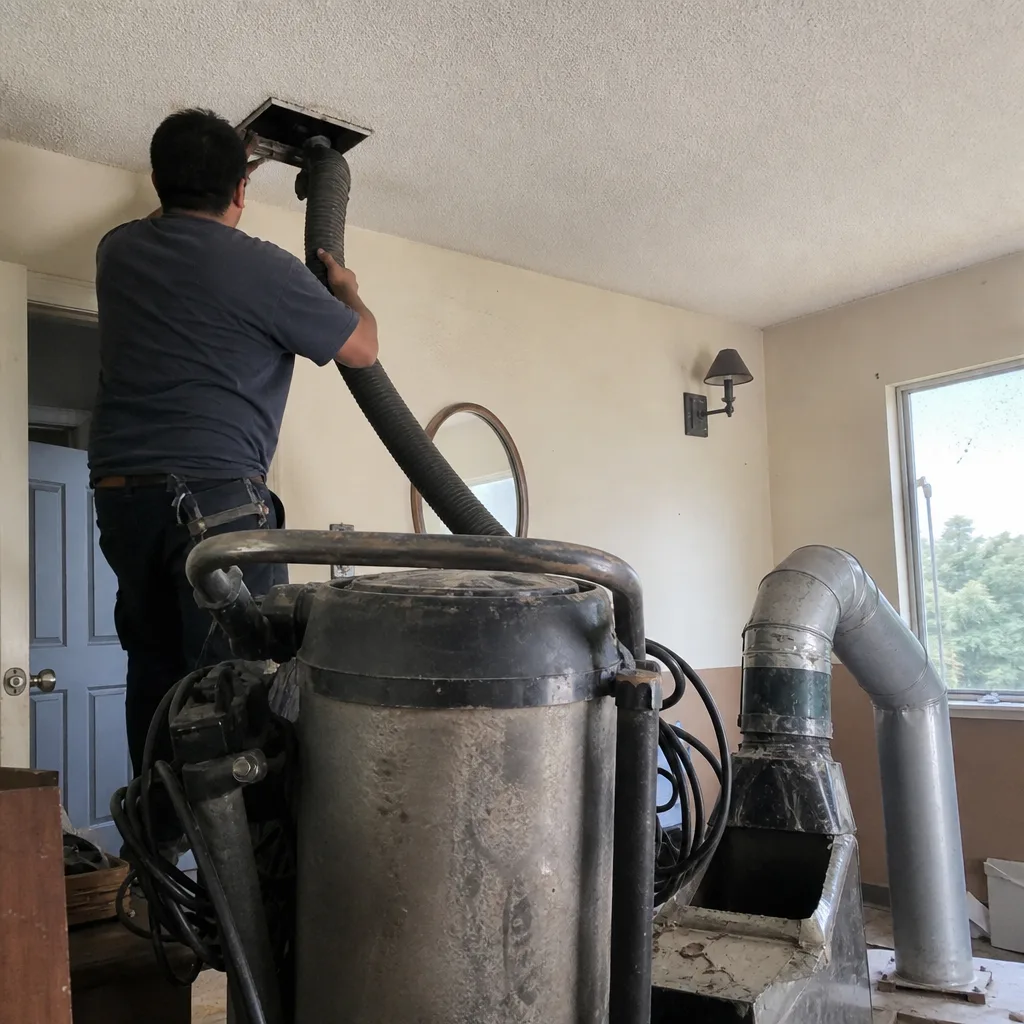 Before
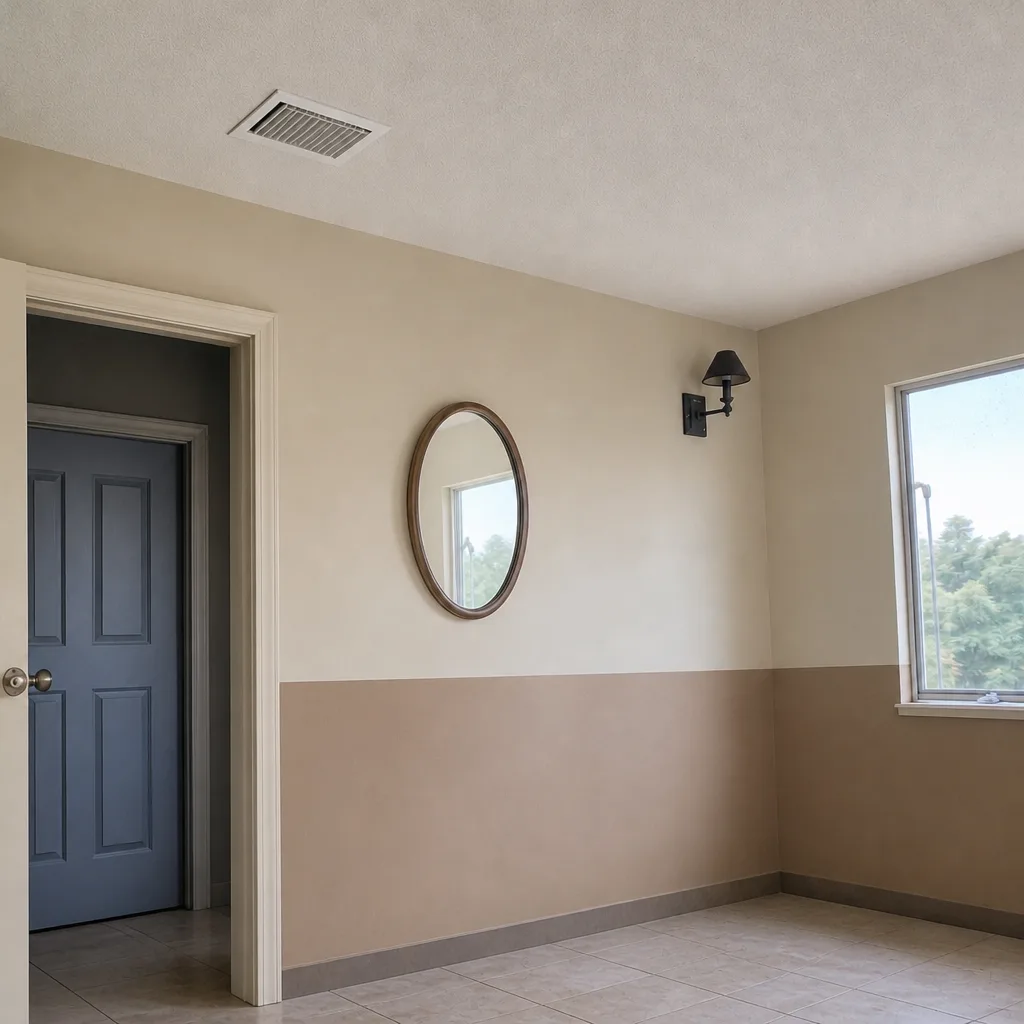 After
When to Call a Professional
Some scenarios have clear answers. If the ducts haven’t been cleaned since you moved in and you have no service history, call a professional. If you’ve recently remodeled and drywall dust settled into the system, call a professional. If you can smell mustiness when the AC runs, or if you can see visible growth or rodent evidence at a register, stop the DIY attempts and call a professional. The risk profile has changed, and consumer equipment is the wrong tool. If your dryer vent is long, has multiple elbows, or goes up through a wall, the brush-kit approach is more likely to compact lint than remove it – that’s a professional job too. And if you’re dealing with a system that’s also showing reduced airflow or higher energy bills, cleaning alone may not solve it; duct repair and sealing often does.
Fullerton Air Duct Cleaning Pros offers free estimates in Fullerton. Our technicians have up to 11 years of experience, and we use Rotobrush and Nikro equipment on residential and commercial systems. Call (844) 493-3461 to schedule an assessment.
Frequently Asked Questions
Not at system level. A shop vac is useful for the register boot, the grille, and the first few inches of branch duct. It does not generate enough sustained negative pressure to extract debris from your main trunk lines or plenum, so the majority of the system stays uncleaned even after a long day of effort. For register-level maintenance it’s the right tool; for the duct network it isn’t.
Standard residential duct cleaning for a typical Fullerton single-family home generally runs several hundred dollars, with the final number set by the written estimate based on system size, number of registers, and accessibility. Duct cleaning plus sanitizing, dryer vent cleaning, and duct repair and sealing are separate line items. Call (844) 493-3461 for an exact free quote – estimates are free.
Because the equipment and scope are different. A quote that reflects a shop vac, no containment, and no rotary-brush agitation will be cheaper than one that reflects a Nikro negative-air system, Rotobrush agitation, and Abatement Technologies containment. The cheaper quote often turns into a higher invoice once the technician is on site and starts listing “extras.” We quote one flat price per system, in writing, before work starts.
Ask for before-and-after photos of your own ducts. A provider that documents the work has nothing to hide, and you have a record of the system’s condition before and after. If the provider can’t show you what was removed, that’s a serious warning sign – and it’s the number one way homeowners get burned in this trade.
For a typical occupied home with mild winters and a long cooling season, every three to five years is a reasonable interval. Homes with pets, allergy-sensitive occupants, high dust load, or a history of renovation should go on the shorter end. A home with no known cleaning history should be cleaned now regardless of any interval, because unknown baseline condition is the clearest reason to schedule.
Register-level cleaning, grille washing, dryer vent clearing on straightforward runs, and filter changes are all safe and genuinely useful. What’s not safe is agitating settled contamination without adequate capture – that includes mold, rodent debris, and fine construction dust. In those cases, an under-powered vacuum creates a redistribution problem rather than a cleaning result. A trained professional should handle anything beyond the register boot.
The Bottom Line
The DIY vs professional decision for air duct cleaning isn’t a cost question or an effort question. It’s a physics question. Homeowner equipment cannot produce the negative pressure needed to extract settled debris from a residential duct system, which means DIY is genuinely useful for register-level maintenance but ineffective for system cleaning. Use DIY for the register boots, the grilles, the filter schedule, and straightforward dryer vent runs. Schedule professional cleaning for the system itself every three to five years, or immediately if the home’s cleaning history is unknown, mold or rodent activity is present, or a renovation has recently wrapped. Ask for a whole-system price in writing, ask what equipment is being used, and ask to see before-and-after photos of your own ducts.
Call (844) 493-3461 for a free estimate. We answer 24/7. Fast dispatch from 7am to 7pm, Sunday through Friday. Fullerton Air Duct Cleaning Pros handles duct cleaning, dryer vent cleaning, HVAC cleaning, duct repair and sealing, and air quality sanitizing under one provider, so a system that needs more than a cleaning can get everything it needs without coordinating multiple contractors.
Written by the team at Fullerton Air Duct Cleaning Pros.